Breaking the Silence: Men’s mental health awareness in Langa
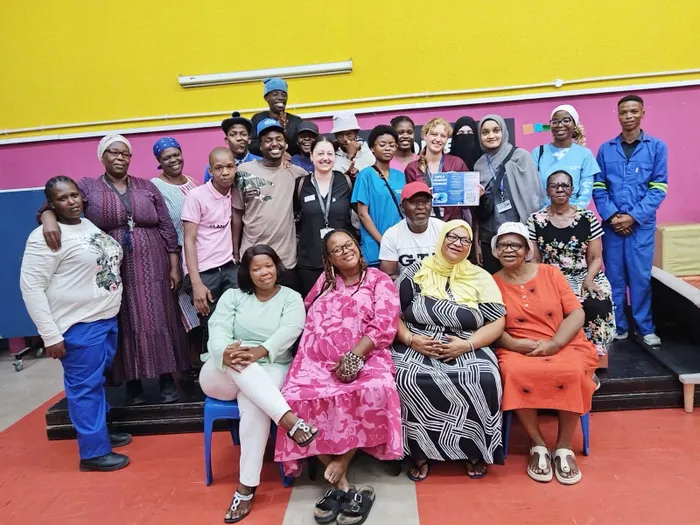
members of the Langa community and students at the event.
Image: Phiri Cawe
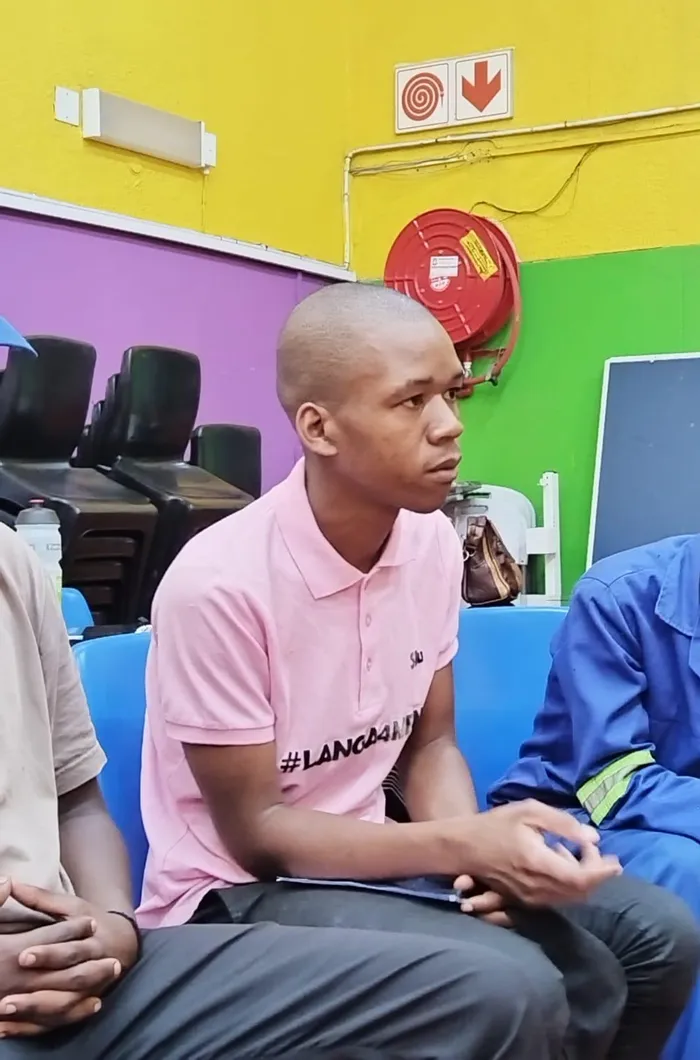
Sibusiso Diko believes that men cry too.
Image: Phiri Cawe
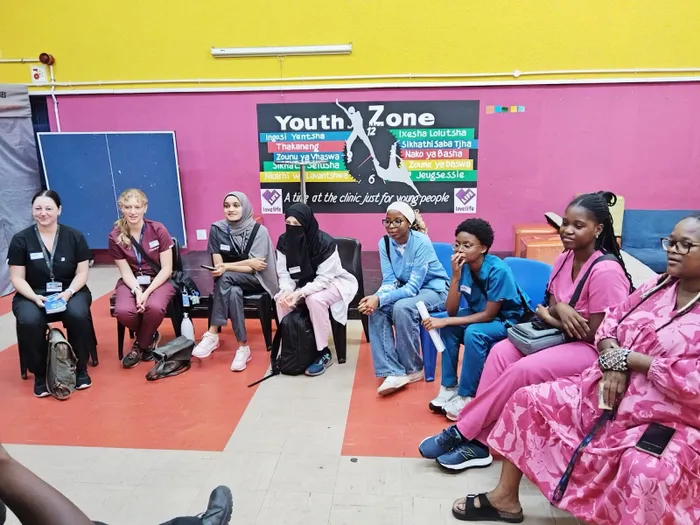
The University of Cape Town students from left are Kate Morris, Catherine Macgregor, Ayesha Desai, Adrienne Hodson, Glory Asomelo, Kaboentle Modise, Vhuthu Mamapa, and facilitator Patricia Ncamile listening to the views of Langa young men on mental health issues.
Image: Phiri Cawe
Stigma and discrimination continue to prevent men from seeking mental health support, a reality that fourth-year UCT medical students confronted head-on during a health promotion campaign in Langa on Monday, February 23.
The students held an open discussion with young men from the community, sparking a candid debate about mental health challenges. While some participants welcomed the advice, others questioned whether it could work in environments shaped by poverty, trauma, and social pressure.
The students encouraged men to reconsider how they approach their emotional wellbeing and stressed the importance of caring for their mental health at all times. Despite differing views, both groups agreed that mental health is real and requires serious, balanced attention.
“Our health promotion campaign was aimed at raising awareness and improving understanding of men’s mental health by addressing key drivers of poor mental health, which we have identified as patriarchal norms, substance abuse, and trauma,” said medical student Catherine Macgregor.
“We also want to increase recognition of the signs and symptoms of common mental health conditions such as depression, anxiety, and post-traumatic stress disorder, and to make men aware of the different places where they can access support.”
The students hope their interactive sessions will help create safe spaces where men feel comfortable speaking openly about their struggles and seeking help when needed.
Glory Asomelo urged the group to take conditions such as depression seriously and become advocates for mental health in their communities.
“We are here to tell men that depression is real. They need to advocate for mental health. The saying ‘indoda must’ - which places pressure on men to always provide and remain strong - must be challenged. These societal expectations can contribute to depression. We need more people to speak out,” she said.
Kate Morris warned that suppressing emotions can be harmful. She encouraged men to express their feelings, including crying when necessary.
“Many acts of violence and abuse occur when emotions are bottled up,” she said.
Her sentiments were echoed by Sibusiso Diko, who said cultural expectations often discourage emotional expression. “Don’t bottle things up - speak out. If we can overcome that, society will be a better place. Culture plays a role in shaping how men behave, but as young men, we are trying to change our perspective,” he said.
While many agreed that suppressing emotions contributes to depression, Loyiso Diniso said environmental pressures also play a significant role. He noted that living conditions and daily stress can fuel anxiety and depression.
Another student, Kaboentle Modise, advised men not to isolate themselves and to recognise warning signs of depression, such as constant fatigue, emotional exhaustion, persistent sadness, change in sleep, violent, angry outbursts, and excessive alcohol use.
By the end of the session, participants agreed that more education and open dialogue are needed to address mental health challenges among men. Community members said they had gained a clearer understanding of the difference between depression and anxiety, while Ms Modise reminded them that mental health affects everyone and requires ongoing care and support.
- Suicide crisis helpline: 0800 567 567
- Substance abuse helpline: 0800 12 13 14
- Depression/Anxiety helpline: 0800 7080 90
Find Vukani on TikTok and Instagram @ccmonlineza